
"coffee from Andes"
3000 article(s) found
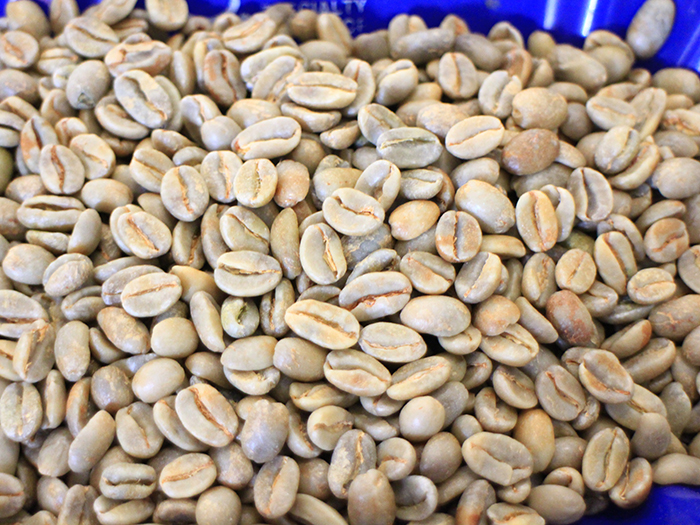
Colombia Santa Rita Coffee Green Beans Andes Micro-production washed high quality imported green beans
The history of coffee cultivation in Colombia can be traced back to the Spanish colonial era in the 16th century. There are also many sayings about the history of coffee in Colombia: First, it is said to have been transmitted from the Caribbean island of Haiti via El Salvador in Central America. Second, coffee beans were first introduced into Colombia in 1808 by a priest from the French Antilles via Venezuela. one of

Is Colombian coffee mainly grown in the Andes?
Is Colombian coffee mainly grown in the Andes? The export management of the coffee trade in Colombia is mainly the responsibility of the National Federation of Coffee owners. It is an unofficial industry organization with several government ministers as its members. Colombian law clearly stipulates that only private businessmen with federation licenses can export coffee in order to maintain Colombian coffee.

The highest elevation Ecuador coffee cultivation geographical location climate altitude profile
The best Arabica coffee is produced in the Andes, especially the Chanchamgo Valley. The Andes is divided into two mountain ranges, extending from south to north to central Ecuador. Ecuador is located in South America and the equator line passes through the country. Therefore, Ecuador is also known as the equatorial country. Ecuador's superior geographical location, fertile soil and special climatic conditions are

Micro-production of clean medium alcohol sucrose from Santa Rita santa rita, Colombia, in the Andes
In fact, according to Ms. Knudsen, people started drinking fine coffee, but later, due to the growing demand for coffee, the discovery and use of new coffee varieties led to the decline of coffee quality. later, people even began to dislike this bad coffee and began to turn to other drinks. In this case, Ms. Knudsen's re-recognition

Introduction to the characteristics of varieties and taste of the flavor description treatment method of Hassanda coffee garden in Ecuador
Central mountain: after entering Ecuador from Colombia, the Andes is divided into the eastern and western Cordillera mountains, with a plateau high in the north and low in the south, averaging between 2500 and 3000 meters above sea level. The Andes run through the middle of the border. The ridges crisscross, dividing the plateau into more than ten intermountain basins. The most important are the Quito basin and the Cuenca basin in the south. Volcanic crowds in the territory

Flavor and taste of Ecuadorian boutique coffee beans introduction to Hasunda Coffee Garden
West coast: including coastal plains and foothills, high in the east and low in the west, generally below 200 meters above sea level, with some hills and low mountains at an altitude of 600 to 700 meters. Belongs to the tropical rain forest climate, the southernmost end begins to transition to the savanna climate. The average annual precipitation decreases from more than 3000 mm to about 500mm from north to south. Central Mountains: the Andes enter Ecuador from Colombia
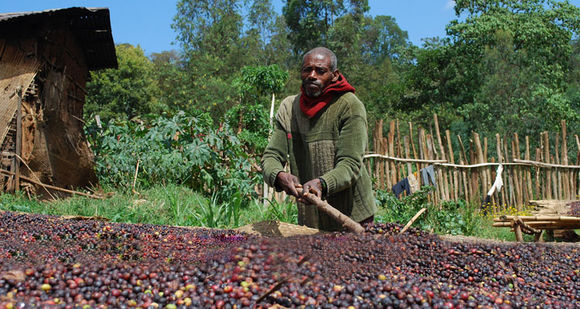
The mixture of the Pablo and Pulido families of Merida Caracas at the foot of the Venezuelan Andes
Venezuela's distinctive manor coffee comes from this oil-rich country. Oil was once considered to be the main export of Venezuela. Although coffee trees were introduced from Martinique in 1730 and Venezuela, coffee production was almost abandoned at the height of the oil industry. Recently, the coffee plantation has begun to recover, and the original Tippica (

Soft and smooth Colombian Coffee in the Andes, the cultivation of Lazmus Manor Jane
The status of coffee in Colombia can be seen from the following examples. All vehicles entering the country must be sprayed and sterilized so as not to inadvertently cause disease and damage to coffee trees. The National Coffee Management Association of Colombia, like the National Management Association of Kenya, is a model of coffee organization. Compared with other producing countries, Colombia is more concerned with developing products and promoting production. It is this one.

Coffee growing areas in the Andes of Colombia at an altitude of 1,300 meters
Colombia's favourable climate provides a truly natural pasture for coffee. Coffee trees in Colombia are mainly cultivated in the Andes mountains, on steep slopes up to 1,300 meters above sea level, where the annual temperature is about 18 degrees Celsius, the annual rainfall is 2000 to 3000 mm, the latitude is 1 - 11 15, the longitude is 72 - 78, and the specific altitude range can exceed 2.000 meters. by

Introduction to Lazmus Manor in the Andes of Colombia Coffee, which is soft and smooth in taste.
The National Coffee Management Association of Colombia, like the National Management Association of Kenya, is a model of coffee organization. Compared with other producing countries, Colombia is more concerned with developing products and promoting production. It is this, coupled with its superior geographical and climatic conditions, that makes Colombian coffee excellent in quality and delicious and famous all over the world. The status of coffee in Colombia comes from the following examples

Introduction to the flavor and taste of Colombian coffee introduction to the Andes of Lazmus Manor
Colombia has three Codiera mountains running north and south, right into the Andes. Coffee is grown along the highlands of these mountains. The mountain steps provide a diverse climate, where the whole year is the harvest season, and different kinds of coffee ripen at different times. And fortunately, unlike Brazil, Colombia doesn't have to worry about frost. Colombia has about 2.7 billion coffee plants.

Are Colombian coffee beans grown in the Andes? Introduction to the description of brand taste and flavor
Are Colombian coffee beans grown in the Andes? Introduce coffee is the pride of Colombians, Colombians like to talk about a few things, in addition to their football, which was once among the best in the world, is the coffee they are proud of. Drinking coffee in Colombia is a kind of enjoyment, not only essential three times a day, but also full of streets and alleys.

Introduction of Colombian coffee flavor and taste Hope Manor in the Andes
In the early 1960s, the Colombian Coffee producers Association developed a strategy to distinguish Colombian coffee from coffee from other producing areas, so it was necessary to explain to consumers what makes our coffee different. Juan Diz was created against this background, and he introduced consumers around the world to the arduous manual production process of coffee and the needs to produce high-quality coffee.

Taste balanced refreshing Ecuadorian fine coffee varieties cultivation market price profile
In 1535, Frei Thomas de Berlanga of Spain and others accidentally discovered the Galapagos Islands. Thomas was born in 1487 on the Duro River in the Spanish province of Soria. He was the fourth bishop of Panama at that time. He was ordered to go to Peru. When his ship set out from Panama on February 23, under the impact of a strong current, they were carried to an unknown sea in the outer ocean.

Fragrant Ecuadorian Coffee Manor flavor and taste characteristics of fine coffee beans
Central mountain: after entering Ecuador from Colombia, the Andes is divided into the eastern and western Cordillera mountains, with a plateau high in the north and low in the south, averaging between 2500 and 3000 meters above sea level. The Andes run through the middle of the border. The ridges crisscross, dividing the plateau into more than ten intermountain basins. The most important are the Quito basin and the Cuenca basin in the south. Volcanic crowds in the territory

Fragrant Coffee Flavor description of Santa Cruz Manor in Ecuador introduction of Grinding degree planting Environment
West coast: including coastal plains and foothills, high in the east and low in the west, generally below 200 meters above sea level, with some hills and low mountains at an altitude of 600 to 700 meters. Belongs to the tropical rain forest climate, the southernmost end begins to transition to the savanna climate. The average annual precipitation decreases from more than 3000 mm to about 500mm from north to south. Central Mountains: the Andes enter Ecuador from Colombia

Colombian Santa Rita Coffee Manor Andes Micro-producing area American Coffee
The history of coffee cultivation in Colombia can be traced back to the Spanish colonial era in the 16th century, and there are many theories about the history of coffee in Colombia: one: it is said to come from the island of Haiti in the Caribbean and from El Salvador in Central America. Second: in 1808, a priest introduced coffee beans to Colombia for the first time from the French Antilles via Venezuela. One of them

Introduction to the characteristics of Peruvian Coffee Organic Coffee Flavor and Taste Manor
After peaceful negotiations between the two sides in 1929, Peru took back Tacona.

Colombia Santa Rita Coffee Green Bean Washing in Andes Microregion
The history of coffee cultivation in Colombia can be traced back to the Spanish colonial era in the 16th century. There are also many sayings about the history of coffee in Colombia: First, it is said to have been transmitted from the Caribbean island of Haiti via El Salvador in Central America. Second, coffee beans were first introduced into Colombia in 1808 by a priest from the French Antilles via Venezuela. one of

Introduction to the flavor and taste of Ecuadorian coffee manor with a unique flavor
Central mountain: after entering Ecuador from Colombia, the Andes is divided into the eastern and western Cordillera mountains, with a plateau high in the north and low in the south, averaging between 2500 and 3000 meters above sea level. The Andes run through the middle of the border. The ridges crisscross, dividing the plateau into more than ten intermountain basins. The most important are the Quito basin and the Cuenca basin in the south. Volcanic crowds in the territory